








Introduction
The keyword cêmnt has attracted attention because it appears in online searches despite having no widely recognised definition as a company, software, website, or consumer product. When people search for cêmnt, search engines often relate it to either the French word “cément” or the English word “cement.” Understanding these connections helps explain why this unusual spelling appears in search results.
Rather than referring to a single topic, cêmnt is best understood as a keyword with multiple possible interpretations depending on the context in which it is used.
What Is Cêmnt?
At present, cêmnt is not recognised as an official English dictionary word, established brand, or popular online platform. Reliable references do not identify it as a standalone term with its own definition.
Instead, search engines commonly associate cêmnt with two recognised words:
- Cément, a French technical term.
- Cement, the well-known construction material.
Because of this, people searching for cêmnt are often looking for information related to one of these meanings.
Why Does the Keyword Cêmnt Appear Online?
There are several reasons why cêmnt appears in online searches.
Typing Variations
Some users accidentally enter cêmnt instead of cement because of keyboard layouts, autocorrect, or accented characters.
Language Differences
The accent over the letter “ê” makes the word resemble French spelling, leading search engines to connect it with “cément.”
Search Engine Interpretation
Modern search engines are designed to recognise spelling variations and suggest results that closely match recognised words. As a result, searches for cêmnt often display information about cement or cément rather than a separate topic.
The Meaning of Cément
The closest recognised term related to cêmnt is cément.
In French, cément has technical meanings in scientific and medical fields. Although it is not commonly used in everyday conversation, it remains an established term in specialised industries.
Cément in Dentistry
In dentistry, cément refers to the hard mineralised tissue that covers the root of a tooth.
This layer plays an important role by:
- Protecting the tooth root.
- Helping anchor the tooth inside the jaw.
- Supporting the attachment of periodontal ligaments.
Healthy cément contributes to overall dental stability and long-term oral health.
Cément in Metallurgy
Another recognised meaning of cément comes from metallurgy.
In this field, the word relates to surface hardening processes where carbon is introduced into the outer layer of steel. This treatment increases hardness while maintaining strength inside the material.
The process has been used for many years in manufacturing components that require greater resistance to wear.
Is Cêmnt the Same as Cement?
Although the words look similar, they should not always be treated as identical.
Cement
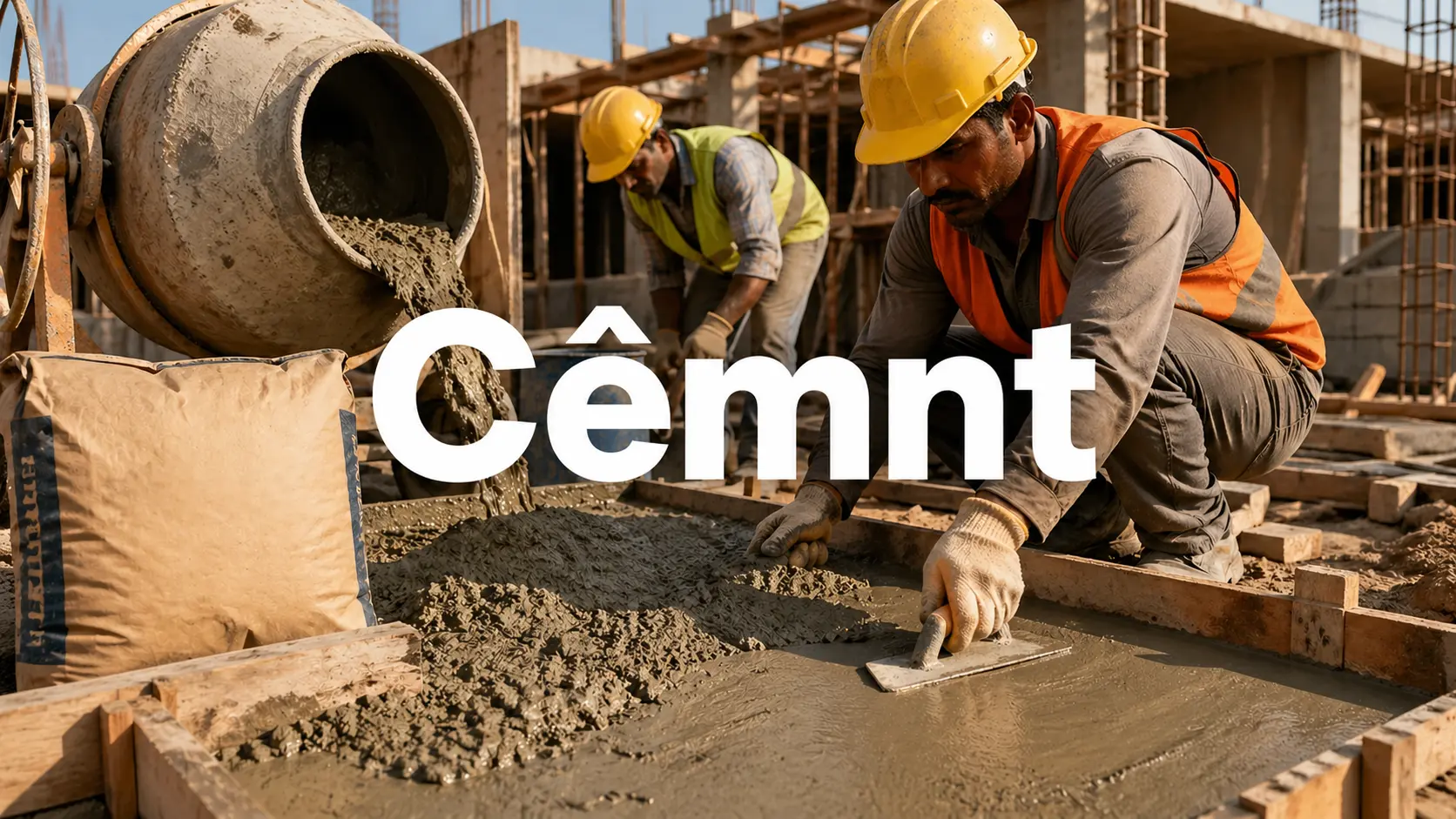
Cement is a construction material used to produce concrete and mortar. It acts as a binding agent that hardens after mixing with water.
Common applications include:
- Residential buildings
- Roads
- Bridges
- Commercial structures
- Foundations
Cément
Cément is a technical French term associated with dentistry and metallurgy rather than construction.
Cêmnt
Cêmnt itself has no recognised independent meaning in reliable references. It is generally interpreted as a variation or alternate spelling rather than a separate concept.
Why Search Engines Connect Cêmnt with Other Words
Search engines attempt to understand user intent instead of matching only exact spellings.
When someone searches for cêmnt, search algorithms evaluate similar spellings, accented characters, and commonly searched alternatives. This helps users find relevant information even when a search term contains a typo or an uncommon variation.
Because of this behaviour, results frequently include pages discussing cement or cément.
Common Misunderstandings About Cêmnt
Many websites incorrectly describe cêmnt as a software platform, startup, cryptocurrency, or digital service without reliable evidence.
Current publicly available information does not support these claims.
Using verified information is always the better approach, especially for educational and informational content.
Should You Use the Keyword Cêmnt in SEO Content?
Yes, but only in a natural and factual way.
If your goal is to target searches for cêmnt, avoid creating unsupported claims simply to increase content length.
Instead, explain:
- What the keyword is.
- Why people search for it.
- Its relationship to cément.
- Its connection with cement.
- The recognised meanings found in reliable references.
This creates informative content that matches search intent while maintaining accuracy.
Frequently Asked Questions
Is cêmnt a real English word?
No. There is currently no recognised English dictionary definition for cêmnt as an independent word.
Does cêmnt refer to a company or website?
Reliable sources do not identify cêmnt as an established company, website, or software platform.
Why do search engines show results for cement?
Search engines recognise spelling similarities and often interpret cêmnt as a variation of cement or cément.
What does cément mean?
Cément is a recognised French technical term used in dentistry and metallurgy.
Is cêmnt different from cement?
Yes. Cement is a construction material, while cêmnt is generally treated as an uncommon spelling variation rather than a recognised standalone term.
Conclusion
Cêmnt is an uncommon keyword that does not currently have an established independent definition. Most reliable references connect it either to the French term cément or to the English word cement. Understanding these relationships explains why the keyword appears in search results and helps separate verified information from unsupported claims. For informational content, presenting these confirmed meanings offers readers accurate and trustworthy guidance.
Read More: FiverrPal: Complete Guide to How It Works, Features, Benefits & Affiliate Marketing