









Introduction
The internet is constantly introducing new words that quickly capture people’s attention. Some become popular because of social media, while others spread through memes, videos, and online discussions. One of the latest terms attracting curiosity is cadibara. Many users search for this keyword after seeing it in posts or comments, wondering whether it refers to a real animal, a brand, or a completely new trend.
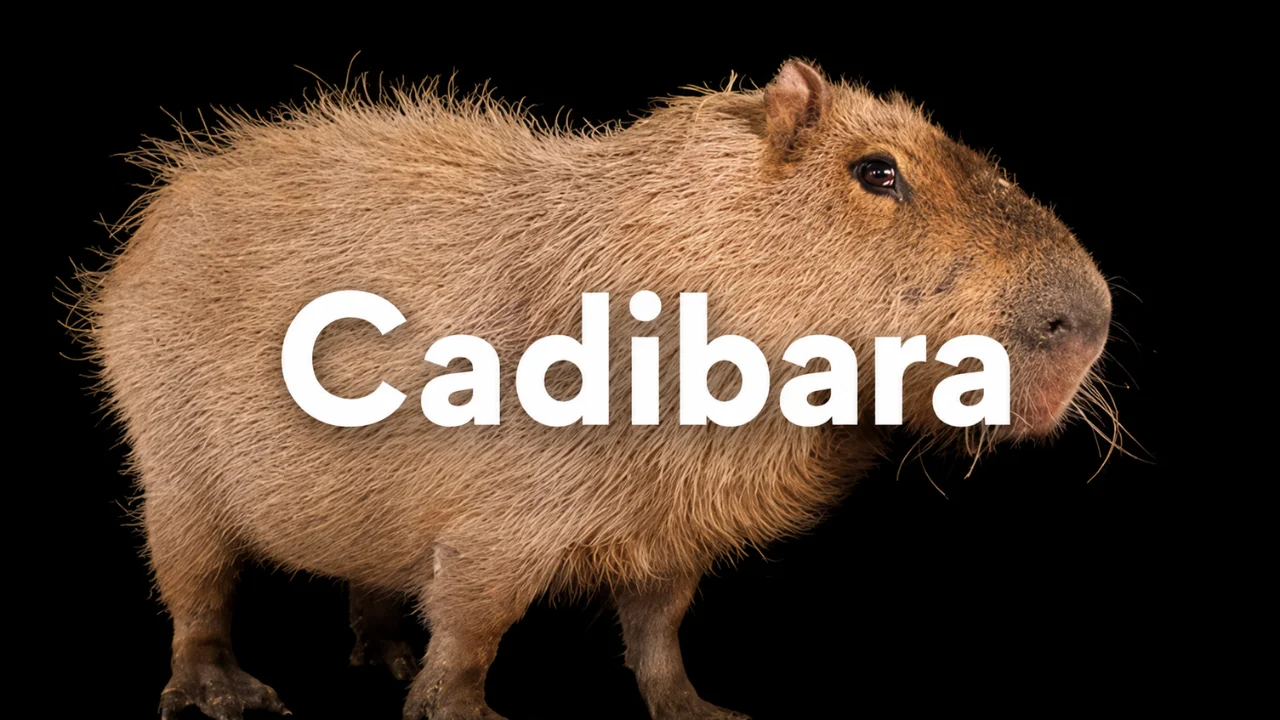
Although the term may appear unfamiliar at first, cadibara is commonly associated with the capybara, a gentle animal that has gained worldwide popularity because of its calm personality and entertaining online presence. As more people search for the meaning of this keyword, it continues to appear in search results, discussions, and blog articles.
Understanding why cadibara has become popular helps explain how internet culture can influence language and create new search trends.
What Is Cadibara?
The word cadibara is widely recognized as an internet spelling variation linked to the capybara. While it is not an official scientific name or dictionary entry, the keyword has become increasingly visible across social media platforms and search engines.
People usually encounter the term while watching short videos, browsing memes, or reading online conversations. Since many users are unfamiliar with its background, they search for its meaning, leading to a steady increase in online interest.
Unlike officially recognized animal names, cadibara is mainly used in digital culture. It has become part of online vocabulary because people enjoy sharing fun and memorable content related to the capybara.
Why Is Cadibara Becoming Popular?
The popularity of cadibara did not happen by chance. Several online trends have contributed to its rapid growth.
Viral Social Media Content
Short-form video platforms have introduced millions of viewers to relaxing and entertaining clips featuring capybaras. Videos showing these animals swimming, resting peacefully, or interacting with other wildlife often receive millions of views.
As viewers search for the animals featured in these videos, many come across the keyword cadibara, making it even more popular across different online communities.
Meme Culture
Internet memes have played a major role in expanding the reach of cadibara. The capybara’s calm facial expression and peaceful nature make it an ideal subject for humorous images and funny captions.
Because memes are shared rapidly across multiple platforms, the keyword continues reaching new audiences every day.
Growing Curiosity
Not everyone who searches for cadibara already knows about capybaras. Many people simply become curious after seeing the unusual spelling online. This curiosity generates additional searches and encourages publishers to create informative content explaining the keyword.
The Connection Between Cadibara and Capybara
One of the biggest questions surrounding cadibara is whether it represents a completely different animal.
The simple answer is no.
The capybara is the actual animal recognized by zoologists and wildlife experts. Cadibara is generally used as an alternative spelling that has become popular through internet culture.
This distinction is important because many first-time readers mistakenly believe cadibara refers to a newly discovered species. In reality, the keyword points back to one of the world’s most fascinating mammals.
Why the Confusion Exists
Online communities frequently create playful spellings, nicknames, and variations of existing words. Over time, these alternative spellings become familiar enough that people begin searching for them directly.
Cadibara is an example of this modern internet phenomenon, where digital communities influence search behavior without changing the identity of the original subject.
The Real Animal Behind Cadibara
Understanding the real animal helps explain why the keyword has become so popular.
The capybara is the largest rodent on Earth and belongs to the rodent family. Native to South America, it lives near rivers, lakes, ponds, marshes, and wetlands where water is always nearby.
Capybaras are excellent swimmers thanks to their partially webbed feet. They often spend hours in the water to stay cool and protect themselves from predators.
Their calm personality has earned them a reputation as one of the friendliest wild animals in nature.
Natural Habitat
Capybaras thrive in tropical and subtropical environments where fresh water and vegetation are abundant. Countries such as Brazil, Venezuela, Colombia, Paraguay, Uruguay, and Argentina provide ideal habitats for these remarkable animals.
Living close to water allows them to escape danger quickly while also providing easy access to their favorite food sources.
Physical Characteristics
Adult capybaras have strong bodies covered with coarse brown fur that helps them blend into their surroundings. Their eyes, ears, and nostrils are positioned near the top of their heads, allowing them to remain mostly underwater while staying alert.
Despite their large size, they move surprisingly well on both land and in water.
Why People Around the World Love Capybaras
The increasing popularity of cadibara is closely connected to the lovable personality of the capybara itself.
Peaceful Nature
Capybaras are known for remaining calm in situations where many other animals would become aggressive. This relaxed behavior has made them symbols of peace and friendliness across social media.
Friendly With Other Animals
One reason capybaras attract so much attention is their ability to coexist with many different species. Birds, ducks, turtles, monkeys, and even other mammals are often seen resting beside them without conflict.
These unusual interactions create memorable photographs and videos that people enjoy sharing online.
A Favorite Subject for Wildlife Photography
Wildlife photographers appreciate capybaras because of their social behavior and photogenic appearance. Images showing families of capybaras relaxing together or swimming peacefully have become some of the most recognizable wildlife photographs on the internet.
Why Cadibara Continues to Trend
Internet trends usually disappear quickly, but cadibara continues attracting attention because it combines curiosity, entertainment, and education.
Every viral video introduces new audiences to the capybara, while every online discussion encourages additional searches. As long as people continue sharing wholesome animal content, interest in cadibara is likely to remain strong.
In addition, the keyword reflects how online communities influence language. A simple spelling variation can become widely recognized when enough people use it consistently across digital platforms.
Diet and Daily Lifestyle of the Animal Behind Cadibara
Understanding the real animal associated with cadibara helps explain why it has become such a popular topic online. The capybara has a simple yet fascinating lifestyle that allows it to thrive in wetlands and grassy environments throughout South America.
Unlike carnivorous animals, capybaras are herbivores. Their diet mainly consists of fresh grasses, aquatic plants, reeds, leaves, and soft vegetation found near rivers and lakes. During dry seasons, they may also eat fruits, tree bark, and other available plant material.
Because their teeth continue growing throughout their lives, they must chew plants regularly to keep them naturally worn down. This adaptation is common among rodents and is essential for maintaining healthy teeth.
Feeding Habits
Capybaras spend several hours every day grazing. They are most active during the cooler parts of the day, including early mornings and evenings. This routine helps them avoid excessive heat while finding enough food to support their large bodies.
Their ability to digest tough grasses efficiently makes them well adapted to their natural habitat.
Daily Routine
A typical day for a capybara includes:
- Grazing on fresh vegetation
- Swimming in rivers or ponds
- Resting in shaded areas
- Socializing with other members of the group
- Remaining alert for predators
This peaceful routine is one reason why the animal has earned such a positive reputation online and contributed to the popularity of cadibara.
Social Behavior and Group Living
Capybaras are among the most social rodents in the world. They rarely live alone and instead form groups that provide protection and companionship.
A family group usually consists of several adults and their young. Living together helps them detect danger more quickly and increases their chances of survival in the wild.
Communication Methods
Capybaras communicate using a variety of sounds, including:
- Whistles
- Chirps
- Clicks
- Barks
- Soft purring noises
These sounds help group members stay connected, warn each other about danger, and maintain social bonds.
Excellent Swimmers
One of the most impressive abilities associated with the animal behind cadibara is its swimming skill.
Capybaras have partially webbed feet that allow them to move efficiently through water. They can remain underwater for several minutes when escaping predators and often use rivers or lakes as safe resting places during hot weather.
Their strong connection to water makes wetlands one of the most important parts of their habitat.
Interesting Facts About Cadibara
Many people search for cadibara because they enjoy learning unusual facts about the capybara. Here are some of the most interesting details.
The Largest Rodent on Earth
Capybaras hold the title of the world’s largest living rodents. Adult individuals can grow over one meter in length and weigh more than many medium-sized dogs.
Built for Water
Their body structure is perfectly adapted for aquatic environments. Their eyes, ears, and nostrils sit high on the head, allowing them to remain mostly underwater while watching their surroundings.
Calm Personality
Unlike many wild animals, capybaras are famous for their gentle temperament. This peaceful behavior is one of the biggest reasons behind the popularity of cadibara across social media.
Highly Social Animals
Capybaras prefer living in groups and often cooperate while feeding, resting, and protecting one another.
Important Members of Their Ecosystem
By grazing on vegetation and interacting with many other species, capybaras play an important role in maintaining healthy wetland ecosystems.
Common Misconceptions About Cadibara
As online searches increase, several misunderstandings continue appearing about cadibara.
Is Cadibara a Different Animal?
No. In most online discussions, cadibara refers to the same animal commonly known as the capybara. It is not considered a separate species.
Is Cadibara a Brand?
Some users assume the keyword belongs to a company or commercial product because of its unusual spelling. However, it is primarily associated with internet culture and the capybara.
Is It a Newly Discovered Species?
There is no scientific evidence suggesting that cadibara is a newly identified animal. Wildlife experts continue recognizing the capybara as the official species.
Is It Only an Internet Meme?
While memes have contributed significantly to its popularity, cadibara has become more than just a joke. It is now a keyword that many people genuinely search to understand its meaning and origin.
Why Cadibara Continues to Gain Search Popularity
The growing popularity of cadibara reflects changing online search habits.
When users repeatedly search for a new word after seeing it on social media, search engines recognize increasing interest in that topic. As more creators publish informative articles, videos, and discussions, the keyword becomes even more visible.
Several factors continue driving searches for cadibara:
Social Media Exposure
Millions of users discover capybara-related content every week through short videos, images, and community posts.
Curiosity-Based Searches
Many internet users simply want to know whether cadibara is a real word or a different animal.
Educational Content
Wildlife enthusiasts and bloggers create informative articles that explain the connection between cadibara and the capybara, helping readers better understand the topic.
Positive Online Reputation
Unlike many internet trends that rely on controversy, the popularity of cadibara is largely built around wholesome and entertaining animal content.
The Future of Cadibara
Internet culture continues introducing new expressions that quickly become recognizable around the world.
Although cadibara is not an official scientific name, its growing popularity demonstrates how digital communities influence language and online search behavior.
As long as people continue sharing wildlife photography, educational videos, and relaxing animal content, interest in the keyword is expected to remain strong.
Future discussions may further connect cadibara with wildlife education, conservation awareness, and positive social media communities focused on nature.
Conclusion
The increasing popularity of cadibara highlights the remarkable influence of internet culture on modern communication. While the keyword is commonly recognized as an alternative online spelling associated with the capybara, it has developed its own identity through viral content, memes, and widespread online curiosity.
Behind the trend is one of the world’s most fascinating animals. Capybaras are peaceful, highly social, excellent swimmers, and important members of South American ecosystems. Their calm personality and unique appearance have earned them millions of admirers across the globe.
For readers searching the meaning of cadibara, understanding its connection to the capybara removes confusion while offering valuable insight into why this keyword continues attracting attention across search engines and social media platforms.
Frequently Asked Questions
1. What does cadibara mean?
Cadibara is an internet-popular spelling variation commonly associated with the capybara, the world’s largest rodent.
2. Is cadibara an official scientific name?
No. Cadibara is not an official scientific or dictionary term. The recognized name of the animal is capybara.
3. Why is cadibara becoming popular?
The keyword has gained popularity because of viral social media videos, memes, wildlife content, and increasing online curiosity.
4. Where do capybaras live?
Capybaras are native to South America and are commonly found near rivers, lakes, marshes, and wetlands where food and water are easily available.
5. Why do people enjoy learning about cadibara?
People are attracted to cadibara because it is connected to the calm, friendly, and unique capybara, an animal that has become one of the internet’s most beloved wildlife icons.
Read More: Wasatha: A Complete Guide to Balance, Moderation, Justice, and Fair Living