









Introduction
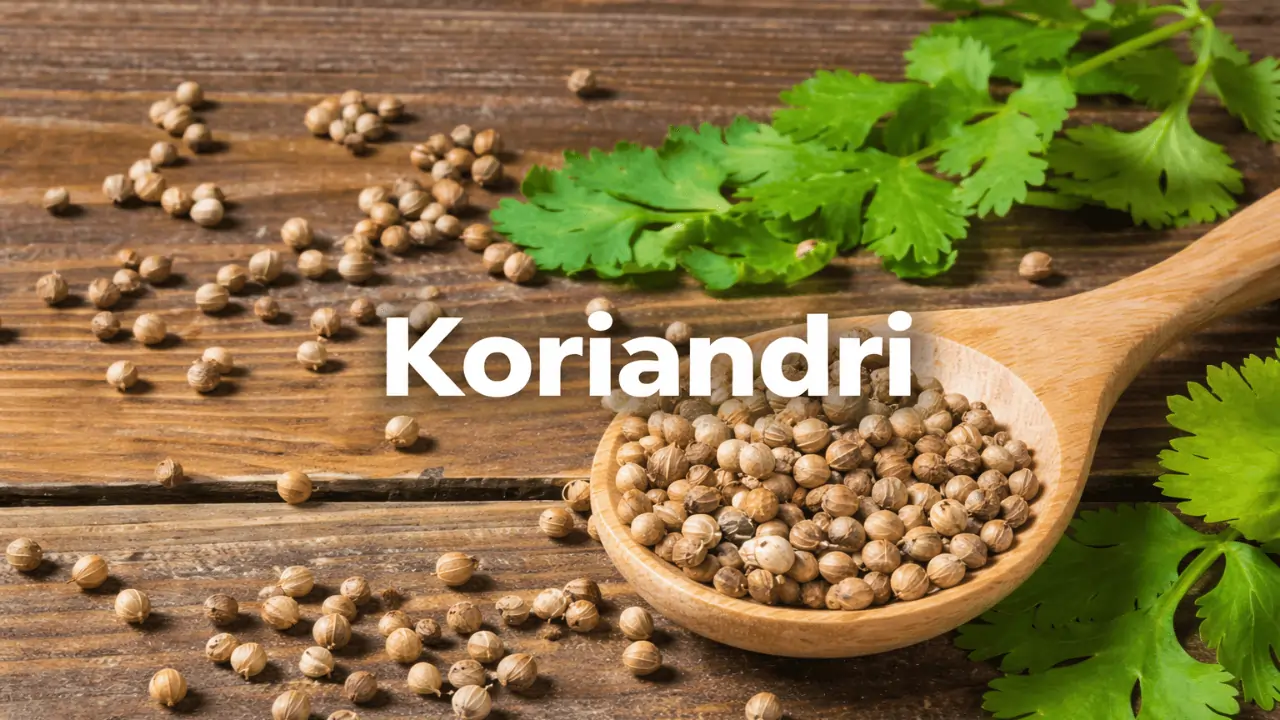
The word koriandri may seem unfamiliar at first, but it refers to one of the world’s most widely used culinary herbs. In some languages, particularly Estonian, koriandri means coriander, a fragrant herb known for its fresh green leaves and aromatic seeds. Coriander has been part of traditional cooking for centuries and is appreciated for the flavor it brings to everyday meals.
From home kitchens to professional restaurants, coriander appears in countless recipes across Asia, Europe, the Middle East, and the Americas. Besides adding taste and aroma, it also provides vitamins, minerals, and plant compounds that make it a valuable ingredient in a balanced diet.
What Does Koriandri Mean?
The term koriandri is another name for coriander, the herb scientifically known as Coriandrum sativum. Although the spelling changes from one language to another, it refers to the same plant.
In many English-speaking countries, the entire plant is called coriander. In North America, however, the fresh leaves are commonly called cilantro, while the dried seeds are known as coriander seeds. This difference often causes confusion, but both names describe different parts of the same herb.
Knowing the meaning of koriandri makes it easier to understand international recipes, food labels, and gardening information.
Origin and History of Koriandri
Coriander has a long history that dates back thousands of years. Historical records show that it was cultivated in ancient Egypt, Greece, and Rome, where it was valued as both a culinary herb and a useful plant in everyday life.
As trade routes expanded, coriander spread throughout Europe, Asia, and Africa. Today it is grown in many countries because it adapts well to different climates and produces both flavorful leaves and aromatic seeds.
Its popularity has remained strong because it is inexpensive, easy to grow, and suitable for a wide variety of dishes.
Koriandri and Coriander: Are They Different?
A common question is whether koriandri and coriander are different plants.
The answer is no. They are simply different names for the same herb.
Here’s a simple comparison:
| Name | Meaning |
|---|---|
| Koriandri | Regional name for coriander |
| Coriander | Common English name for the plant and seeds |
| Cilantro | Fresh green leaves of the same plant in North America |
Understanding these names helps when following recipes from different countries.
Flavor and Aroma of Koriandri
One reason coriander is so popular is its unique flavor profile.
Fresh Leaves
Fresh coriander leaves have a bright, citrus-like flavor with a refreshing herbal aroma. They are usually added at the end of cooking to preserve their freshness.
Dried Seeds
The seeds have a completely different taste. They are warm, slightly sweet, nutty, and mildly citrusy. Whole or ground seeds are commonly used in spice blends and slow-cooked recipes.
Some people notice a soapy flavor when eating fresh coriander leaves. Researchers believe this is linked to inherited genetic traits that affect taste perception.
Nutritional Value of Koriandri
Although coriander is usually eaten in small amounts, it contains several important nutrients.
| Nutrient | Importance |
|---|---|
| Vitamin A | Supports normal vision and immune function |
| Vitamin C | Helps maintain healthy skin and body tissues |
| Vitamin K | Supports bone health and normal blood clotting |
| Iron | Helps transport oxygen throughout the body |
| Potassium | Supports normal muscle function |
| Dietary Fiber | Helps support healthy digestion |
| Antioxidants | Help protect cells from oxidative stress |
Because coriander is naturally low in calories, it easily fits into many healthy eating plans.
Health Benefits of Koriandri
Adding coriander to regular meals offers more than just flavor.
Rich Source of Natural Antioxidants
Coriander contains naturally occurring antioxidants that help protect the body’s cells from everyday oxidative stress.
Supports Healthy Digestion
For generations, coriander has been included in traditional cooking because it pairs well with rich meals and is commonly associated with comfortable digestion.
Provides Essential Vitamins
The vitamins found in coriander contribute to normal immune function, healthy skin, and proper bone maintenance.
Adds Flavor Without Extra Calories
Fresh herbs are an excellent way to improve the taste of meals without relying on excessive salt or high-calorie sauces.
Suitable for Different Diets
Whether someone follows a vegetarian, vegan, Mediterranean, or balanced diet, coriander is an ingredient that blends naturally into everyday meals.
Popular Uses of Koriandri in Cooking
Coriander is one of the most versatile herbs available.
Fresh leaves are commonly used to finish dishes just before serving, while seeds are often toasted or ground into spice mixes.
Popular culinary uses include:
- Fresh salads
- Homemade chutneys
- Vegetable curries
- Lentil dishes
- Rice recipes
- Soups
- Marinades
- Grilled chicken
- Seafood recipes
- Mexican salsa
- Tacos
- Sandwich fillings
Its refreshing flavor complements vegetables, meat, seafood, beans, and grains equally well.
How to Store Koriandri Properly
Correct storage helps maintain freshness and flavor.
Fresh Leaves
Wrap the leaves loosely in a slightly damp paper towel and place them inside a sealed container or storage bag in the refrigerator. They are best used within a few days.
Dried Seeds
Store whole coriander seeds in an airtight container away from direct sunlight, moisture, and heat. Whole seeds generally stay fresh much longer than ground coriander.
Freezing
Fresh coriander leaves can also be frozen in airtight containers for longer storage while retaining much of their flavor.
Growing Koriandri at Home
Growing coriander is simple, even for beginners.
Choose a sunny location with well-drained soil and sow the seeds directly where the plants will grow. Regular watering helps the plants develop healthy leaves, but overly wet soil should be avoided.
Leaves can usually be harvested once the plants are well established. If some plants are allowed to flower, they will produce seeds that can be collected and stored for future planting or cooking.
Home-grown coriander often develops a stronger aroma than commercially packaged herbs.
Why Koriandri Remains Popular Worldwide
The lasting popularity of koriandri comes from its ability to combine flavor, freshness, and nutrition in a single ingredient. It is equally useful in everyday home cooking and professional kitchens because it complements a wide variety of foods without overpowering them.
Its fresh leaves brighten salads, curries, soups, and rice dishes, while the seeds contribute warmth and depth to spice blends and slow-cooked meals. Since every edible part of the plant serves a purpose, coriander continues to be one of the most practical herbs for cooks around the world.
For anyone exploring international recipes or learning about herbs from different cultures, understanding the meaning of koriandri makes shopping, cooking, and gardening much easier.
Frequently Asked Questions
1. What does koriandri mean?
Koriandri is a regional word, especially in Estonian, that refers to coriander, the herb scientifically known as Coriandrum sativum.
2. Is koriandri the same as cilantro?
Yes. Cilantro is the name commonly used in North America for the fresh leaves of the coriander plant, while coriander usually refers to the whole plant or its seeds.
3. Can coriander seeds and leaves both be eaten?
Yes. Both parts are edible and are widely used in cooking. The leaves provide a fresh flavor, while the seeds add warmth and aroma to recipes.
4. What foods go well with koriandri?
Koriandri pairs well with curries, soups, rice dishes, grilled meats, seafood, salads, tacos, vegetables, sauces, and homemade spice blends.
5. Can I grow koriandri at home?
Yes. Coriander grows well in containers and garden beds with well-drained soil, regular watering, and adequate sunlight, making it suitable for home gardeners.
Read More: Pravi Celer: Complete Meaning, Traditional Uses, Nutrition and Health Benefits