









Introduction
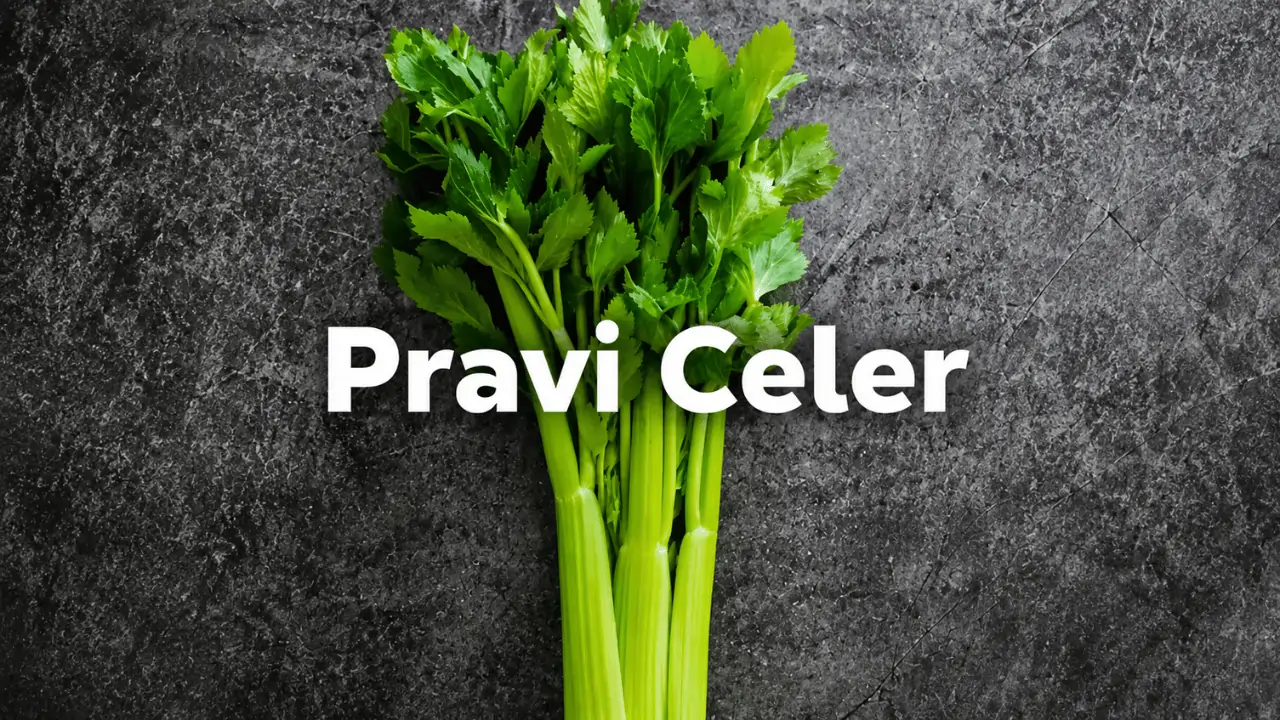
The phrase pravi celer is commonly used in parts of the Balkans and refers to authentic or real celery. Although the wording may sound unfamiliar to people outside the region, it has long been associated with traditional cooking, fresh ingredients, and homemade recipes. Many people search for this term to understand its meaning, whether it refers to a different vegetable, and how it is used in everyday meals.
Celery has been valued for centuries because of its crisp texture, refreshing taste, and versatility in the kitchen. From homemade soups to fresh salads and slow-cooked dishes, it continues to be an essential ingredient in many households. Understanding pravi celer also offers a glimpse into the language, food traditions, and cooking practices of Serbia, Croatia, Bosnia and Herzegovina, and neighboring countries.
What Does Pravi Celer Mean?
The term pravi celer is made up of two South Slavic words. The word “pravi” means real, true, or authentic, while “celer” means celery. Together, they simply describe genuine celery rather than an imitation or processed product.
It is important to know that this phrase does not identify a separate species of celery. Instead, it emphasizes the authentic plant used in traditional cooking. In some conversations, people may use the expression when talking about common green celery, while others may use it when referring to celery root, depending on regional habits and local dialects.
Because of these different uses, the phrase often creates curiosity among people who are unfamiliar with Balkan languages.
The Origin of the Phrase
The expression has its roots in countries across the Balkan Peninsula, where celery has been grown and used in family kitchens for generations.
Traditional recipes in Serbia, Croatia, and Bosnia and Herzegovina often include celery because of its ability to enhance the flavor of soups, stews, vegetable dishes, and meat-based meals. Families commonly use every edible part of the plant, making it one of the most practical vegetables found in home gardens.
Over time, pravi celer became a familiar expression that highlights authentic celery rather than packaged or processed alternatives.
Is Pravi Celer Different From Regular Celery?
One of the most common questions is whether pravi celer refers to a completely different vegetable.
The answer is no.
The phrase does not describe a unique botanical variety. Instead, it refers to genuine celery. Depending on where the phrase is used, people may be talking about either stalk celery or celery root, also known as celeriac.
Regular Celery
Regular celery produces long, crunchy green stalks with fresh leaves. It is commonly eaten raw or added to cooked dishes.
Celery Root
Celery root develops into a large round root with rough skin. Its inside is creamy white and has a stronger, earthier flavor than the stalks. It is frequently roasted, mashed, or added to soups.
The meaning of pravi celer depends on local usage rather than botanical classification.
Botanical Information About Celery
Celery belongs to the Apiaceae family, which also includes carrots, parsley, dill, fennel, and coriander.
Scientific name: Apium graveolens
Celery is a cool-season vegetable that grows best in fertile soil with regular watering. It produces aromatic leaves, crisp stalks, and, in some varieties, large edible roots.
Today, celery is cultivated across Europe, Asia, North America, and many other regions because of its culinary value.
Nutritional Value of Celery
Celery is popular among people looking for healthy vegetables because it contains very few calories while providing important nutrients.
Some of the nutrients naturally found in celery include:
- Vitamin K
- Vitamin C
- Potassium
- Folate
- Dietary fiber
- Calcium
- Magnesium
- Natural antioxidants
Celery is also made up of approximately 95 percent water, making it a refreshing addition to meals throughout the year.
Health Benefits of Celery
Supports Healthy Digestion
The fiber naturally present in celery supports healthy digestion and contributes to regular bowel movements. Including fiber-rich vegetables in daily meals can help maintain digestive health.
Helps Keep the Body Hydrated
Because celery contains a high amount of water, it contributes to daily hydration while providing vitamins and minerals at the same time.
Rich in Antioxidants
Celery contains antioxidants that help protect the body’s cells from damage caused by free radicals. These naturally occurring compounds are one reason vegetables are an important part of a balanced diet.
Supports Heart Health
Potassium plays an important role in maintaining normal blood pressure, while fiber supports overall cardiovascular health when combined with healthy lifestyle habits.
Suitable for Low-Calorie Diets
Many people include celery in balanced eating plans because it provides volume and freshness without adding many calories.
How Pravi Celer Is Used in Traditional Cooking
One reason pravi celer remains popular is its remarkable versatility in the kitchen. Nearly every part of the plant can be used in recipes.
Common culinary uses include:
Homemade Soups
Celery adds natural flavor and aroma to vegetable soups, chicken soup, and beef broth.
Fresh Salads
Crunchy celery stalks provide texture and freshness when combined with cucumbers, tomatoes, carrots, or leafy greens.
Stews
Slow-cooked meat and vegetable stews often include celery because it blends well with onions, garlic, and carrots.
Homemade Broths
Many traditional cooks consider celery one of the essential ingredients for rich homemade stock.
Fresh Juice
Celery is frequently combined with apples, lemons, cucumbers, and spinach to prepare refreshing vegetable juices.
Roasted Root Vegetables
When celery root is used, it can be roasted with potatoes, carrots, onions, and herbs for a flavorful side dish.
Traditional Balkan Cooking With Celery
In many Balkan households, wasting food has never been part of traditional cooking. Every edible part of the celery plant serves a purpose.
The Stalks
Used in soups, salads, and vegetable dishes.
The Leaves
Added as a fresh seasoning to cooked meals or chopped into salads.
The Root
Cooked in soups, roasted, mashed, or mixed with other vegetables.
The Seeds
Sometimes used as a seasoning because of their concentrated celery flavor.
This complete use of the plant reflects generations of practical cooking traditions passed from one family to another.
Growing Celery at Home
Many gardeners enjoy growing celery because fresh vegetables often provide better flavor than store-bought produce.
For healthy growth, celery requires:
Rich Soil
Loose, fertile soil encourages healthy root and stalk development.
Regular Watering
Celery grows best when the soil remains consistently moist.
Plenty of Sunlight
Six to eight hours of sunlight each day supports healthy growth.
Cool Temperatures
Celery performs best during mild weather rather than extreme summer heat.
Timely Harvesting
Stalk celery should be harvested once the stems become thick and crisp, while celery root is collected after the root reaches full size.
Why People Search for Pravi Celer
Interest in pravi celer has increased because many people encounter the phrase in recipes, online discussions, or translated content. Some want to understand its exact meaning, while others are looking for traditional Balkan recipes or information about celery itself.
Although the wording may sound unfamiliar to international readers, it simply represents authentic celery and the long-standing culinary traditions associated with it.
Final Thoughts
Pravi celer is not the name of a new vegetable or a rare plant. It is a traditional expression used to describe authentic celery in parts of the Balkans. The phrase reflects both language and culture while highlighting one of the most versatile vegetables used in everyday cooking.
Whether added to soups, salads, broths, roasted dishes, or fresh juices, celery continues to be appreciated for its nutritional value, refreshing taste, and flexibility in the kitchen. Understanding the meaning of pravi celer makes it easier to appreciate its role in traditional recipes and why it continues to attract interest among people searching for authentic culinary information.
Frequently Asked Questions
1. What does pravi celer mean?
Pravi celer means “real” or “authentic” celery and is a phrase commonly used in Serbian, Croatian, and Bosnian languages.
2. Is pravi celer different from ordinary celery?
No. It usually refers to genuine celery rather than a separate botanical variety. In some regions, it may also refer to celery root depending on the context.
3. What nutrients are found in celery?
Celery contains Vitamin K, Vitamin C, potassium, folate, dietary fiber, antioxidants, calcium, magnesium, and a high amount of water.
4. Which parts of the celery plant are edible?
The stalks, leaves, roots, and even the seeds can all be used in cooking.
5. Where is the phrase pravi celer most commonly used?
The expression is most commonly used in Serbia, Croatia, Bosnia and Herzegovina, and other Balkan countries where celery is a traditional ingredient in everyday cooking.
Read More: Stormuring: Meaning, Origin, Uses, Interpretations and Practical Applications