









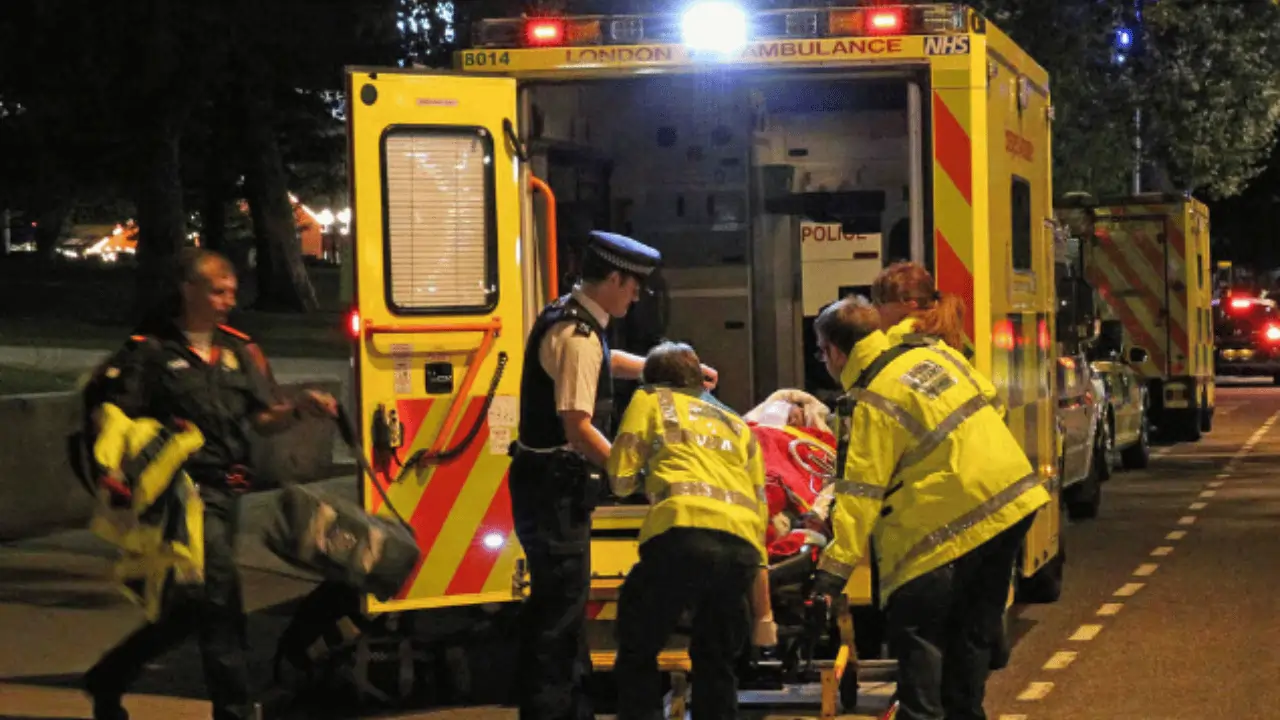
Introduction
The keyword ểmgency has recently appeared in online searches, leading many people to wonder what it means and whether it is an official English word. Since it closely resembles the word “emergency,” it often creates confusion for readers who encounter it on websites, search engines, or social media.
Although ểmgency is not listed in standard English dictionaries, it is commonly understood as a spelling variation or typing error related to “emergency.” Because more users are searching for this keyword, it has become useful to explain its meaning, why it appears online, and the importance of understanding real emergency situations.
Knowing how emergencies happen and how to prepare for them can make a significant difference when unexpected events occur. Whether the situation involves health, weather, fire, or public safety, having the right knowledge helps people respond quickly and responsibly.
What Does ểmgency Mean?
Understanding the Keyword
The term ểmgency does not have an official dictionary definition. Most people who search for it are actually looking for information about emergencies or trying to find out whether the unusual spelling has a different meaning.
In practice, ểmgency is widely treated as another way people accidentally write or search for the word “emergency.” Search engines often receive thousands of searches containing spelling variations, especially when users type quickly or use different keyboard layouts.
Instead of representing a new English word, the keyword is mainly associated with urgent situations that require immediate attention.
Is ểmgency an Official English Word?
Dictionary Status
At present, ểmgency is not recognised as an official English vocabulary word. It does not appear in major English dictionaries or language references.
Its appearance online is usually connected with:
- Typing mistakes
- Keyboard character variations
- Copy-and-paste errors
- Stylised writing
- Search engine spelling variations
Even though the spelling is unofficial, it has attracted enough online interest that many people now search for its meaning.
Why Is ểmgency Becoming a Popular Search?
Increased Online Curiosity
People regularly search for unfamiliar words after seeing them on blogs, discussion forums, or social media platforms. Since ểmgency resembles a familiar word, many users simply want confirmation of its meaning.
Mobile Typing Mistakes
Mobile keyboards often produce accidental spelling errors. Auto-correct features can also create unexpected words when users type quickly.
Different Language Keyboards
Some international keyboards automatically insert accented letters, creating spellings that differ from standard English even though the intended word remains the same.
Search Engine Suggestions
When unusual keywords receive repeated searches, search engines may begin displaying them as autocomplete suggestions, encouraging additional users to search for the same term.
Understanding What an Emergency Is
Since ểmgency is closely connected with emergencies, understanding the meaning of an emergency is essential.
An emergency is an unexpected event that requires immediate action to protect lives, property, health, or the environment. These situations often develop without warning and require fast decisions to reduce harm.
Emergency situations can affect anyone regardless of age, occupation, or location.
Common Types of Emergencies
Medical Emergencies
Medical emergencies include serious injuries, heart attacks, strokes, severe allergic reactions, breathing problems, burns, and unconsciousness. Immediate medical treatment is often necessary to prevent complications.
Fire Emergencies
Residential, commercial, and industrial fires spread rapidly. Smoke inhalation and flames create serious risks, making early evacuation extremely important.
Natural Disasters
Floods, earthquakes, hurricanes, tornadoes, landslides, wildfires, and severe storms can damage homes, businesses, and public infrastructure while placing communities at risk.
Road Traffic Accidents
Vehicle collisions may result in injuries, blocked roads, damaged vehicles, and emergency rescue operations.
Household Emergencies
Gas leaks, electrical faults, water pipe bursts, and carbon monoxide leaks are common household emergencies that require immediate attention.
Workplace Emergencies
Factories, construction sites, warehouses, laboratories, and offices all face different safety risks that require emergency response procedures.
Digital Emergencies
Modern emergencies are not limited to physical events. Cyberattacks, ransomware, identity theft, data breaches, and major network failures can disrupt businesses and personal lives.
Why Emergency Preparedness Is Important
Preparing before an emergency happens gives people valuable time to respond safely.
Families with emergency plans usually remain more organised during stressful situations. Businesses that develop emergency procedures often recover more quickly after unexpected incidents. Schools, hospitals, and public organisations also rely on preparedness plans to protect large numbers of people.
Preparation is not about expecting disaster. It is about reducing confusion when quick action becomes necessary.
How to Respond During an Emergency
Stay Calm
Remaining calm helps you think clearly and avoid making rushed decisions.
Identify Immediate Risks
Look around carefully and determine whether there are dangers such as fire, falling objects, electrical hazards, or unsafe structures.
Contact Emergency Services
Call emergency responders immediately if professional assistance is required. Provide clear information about the location and situation.
Help Others Safely
Assist injured individuals only when it is safe to do so. Never place yourself in unnecessary danger while attempting a rescue.
Follow Official Instructions
Emergency authorities provide instructions based on current conditions. Following their guidance improves everyone’s safety.
Leave Dangerous Areas
If evacuation becomes necessary, leave immediately using the safest available route.
Essential Items for an Emergency Kit
Preparing an emergency kit before it is needed saves valuable time.
A well-equipped emergency kit should include:
- First-aid supplies
- Clean drinking water
- Non-perishable food
- Flashlight
- Spare batteries
- Mobile phone charger or power bank
- Prescription medicines
- Important personal documents
- Emergency contact list
- Warm blankets
- Hygiene supplies
- Multi-purpose tool
- Whistle
- Battery-powered radio
Review the contents regularly and replace expired items whenever necessary.
Common Mistakes People Make During Emergencies
Many problems become worse because of avoidable mistakes.
Some of the most common include:
Ignoring Early Warning Signs
Weather alerts, smoke alarms, and unusual sounds should never be ignored.
Waiting Too Long to Seek Help
Delaying emergency calls can increase risks and reduce the effectiveness of emergency response.
Spreading False Information
Sharing rumours without verification creates unnecessary panic during emergencies.
Failing to Prepare
Many households never create emergency plans or assemble emergency supplies until after a crisis occurs.
Panicking
Fear often causes poor decision-making. Staying calm improves judgement and helps others remain calm as well.
The Role of Technology During Emergencies
Technology has improved emergency communication and response in many ways.
Mobile phones allow people to contact emergency services quickly. GPS location sharing helps rescue teams locate individuals more accurately. Weather warning systems provide advance notice of approaching storms, while smart smoke detectors alert homeowners even when they are away from home.
Businesses also use cloud backups and cybersecurity systems to reduce damage caused by digital emergencies.
Although technology is extremely helpful, personal awareness and preparation remain equally important.
Why Understanding ểmgency Matters
Learning about ểmgency helps eliminate confusion surrounding this unusual keyword. While it is not an officially recognised English word, people continue searching for it because they encounter it online or assume it has a separate meaning.
Understanding its connection with emergencies also encourages readers to think about personal safety, emergency planning, and preparedness. Every household should know basic emergency procedures, maintain essential supplies, and keep emergency contact information easily available.
Being prepared does not require expensive equipment or advanced training. Simple planning, awareness, and quick action often make the biggest difference when unexpected situations arise.
Conclusion
The keyword ểmgency has become increasingly visible across online searches, even though it is not an official English word. In nearly every case, it is connected with the concept of an emergency rather than representing a separate definition.
Whether someone searches for ểmgency out of curiosity or by accident, understanding the importance of emergency preparedness is valuable. Knowing how emergencies happen, recognising warning signs, maintaining an emergency kit, and responding calmly can protect lives and reduce unnecessary risks.
Preparation begins long before an emergency occurs, and even small safety measures can make a meaningful difference when every second counts.
Frequently Asked Questions
1. What does ểmgency mean?
ểmgency is generally understood as a spelling variation or typing mistake related to the word “emergency.” It is not an officially recognised English word.
2. Is ểmgency listed in English dictionaries?
No. Standard English dictionaries do not recognise ểmgency as an official word.
3. Why do people search for ểmgency?
People search for ểmgency because they see it online, encounter the unusual spelling, or want to know whether it has a different meaning from “emergency.”
4. What should every emergency kit include?
A basic emergency kit should contain water, food, a first-aid kit, medicines, batteries, a flashlight, important documents, emergency contacts, and a mobile phone charger.
5. How can I prepare for an emergency?
Create a family emergency plan, keep emergency supplies ready, stay informed through official alerts, and learn basic first-aid skills to respond effectively during unexpected situations.
Read More: Wifekivers: What It Means, Where It Came From and How People Use It