









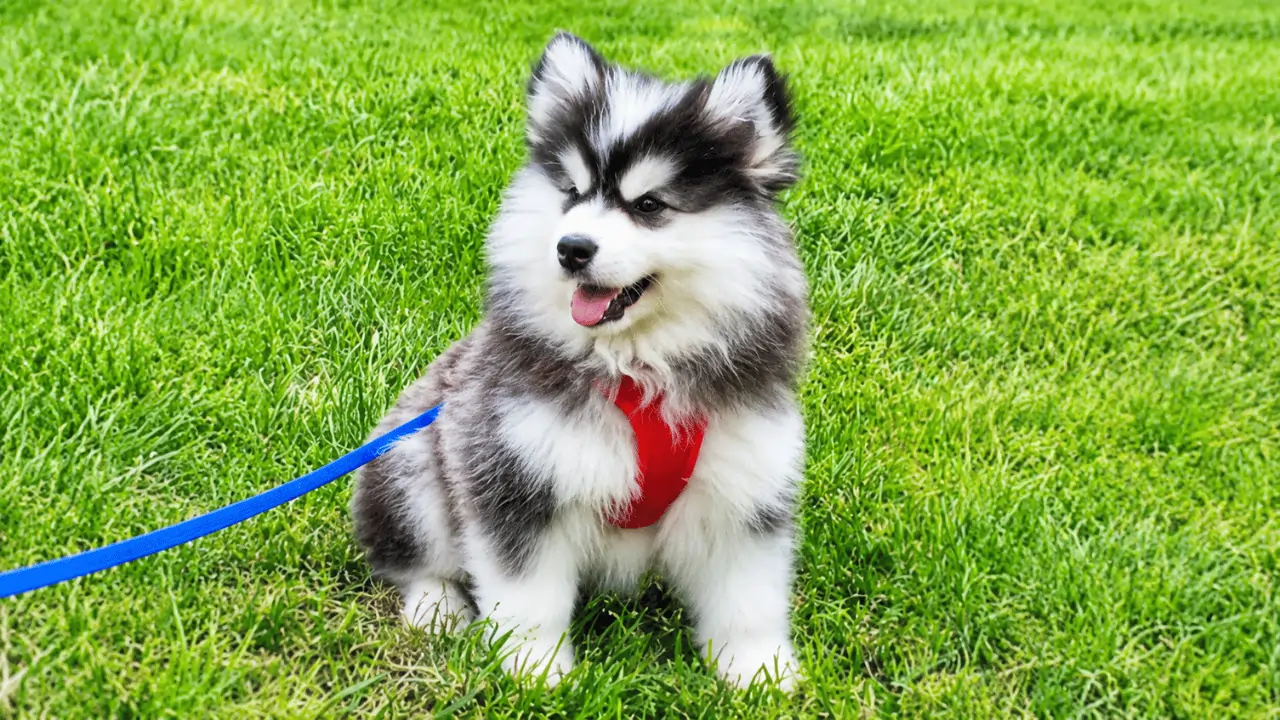
What Is a Pomerusky?
The term pomerusky is commonly used as an alternative spelling for the Pomsky, a designer dog created by crossing a Pomeranian with a Siberian Husky. While the spelling may vary, it refers to the same popular hybrid known for its fluffy appearance, playful personality, and compact size.
A pomerusky combines many of the best qualities of both parent breeds. It has the intelligence and striking looks of the Siberian Husky together with the affectionate and lively nature of the Pomeranian. Because it is a mixed breed, every dog develops its own appearance and personality, making each one unique.
For families, couples, and individuals looking for an active companion with an eye-catching appearance, this hybrid has become an increasingly popular choice.
The History Behind the Pomerusky
Designer dogs became more popular as people searched for companions that combined desirable traits from two different breeds. The goal of breeding a pomerusky was to create a dog with the beautiful appearance of a Husky while keeping a much smaller size that fits comfortably into most homes.
Since the parent breeds are very different in size, responsible breeders use carefully planned breeding methods to produce healthy puppies. Over the years, the breed has gained recognition among dog lovers because of its appearance, intelligence, and affectionate temperament.
Pomerusky Appearance
One of the biggest attractions of a pomerusky is its distinctive look. Many resemble miniature Huskies, while others inherit more features from the Pomeranian parent.
Coat and Colours
The coat is usually thick, soft, and double-layered, helping protect the dog from both hot and cold weather.
Common coat colours include:
- Black
- White
- Grey
- Brown
- Cream
- Red
- Black and White
- Grey and White
Many dogs also have beautiful facial markings similar to a Siberian Husky.
Eyes and Facial Features
A pomerusky may have:
- Blue eyes
- Brown eyes
- Hazel eyes
- One blue and one brown eye
Other physical features often include:
- Pointed ears
- Curled fluffy tail
- Compact body
- Fox-like face
- Thick fur
Pomerusky Size
Adult size depends on genetics because every puppy inherits different characteristics from each parent.
Typical measurements include:
| Feature | Average Size |
|---|---|
| Height | 10–18 inches |
| Weight | 10–35 pounds |
Some remain small enough for apartment living, while others become closer in size to a medium dog.
Pomerusky Personality
The personality of a pomerusky is one of the main reasons people choose this hybrid.
These dogs are known for being:
- Friendly
- Loyal
- Intelligent
- Curious
- Energetic
- Affectionate
- Alert
- Playful
They enjoy spending time with family members and usually dislike being left alone for long periods. Daily interaction helps keep them happy and mentally stimulated.
Because they inherit intelligence from both parent breeds, they learn quickly but may occasionally display a stubborn streak.
Exercise Requirements
Although they are smaller than Huskies, these dogs still require daily activity.
Healthy exercise includes:
Daily Walks
A walk every day helps burn energy while providing mental stimulation.
Interactive Play
Games such as fetch, tug toys, and hide-and-seek keep the dog active indoors or outdoors.
Puzzle Toys
Food puzzles and interactive toys challenge the dog’s intelligence and reduce boredom.
Without enough exercise, unwanted behaviours like barking, chewing, or digging may develop.
Grooming and Coat Maintenance
The thick double coat needs regular care throughout the year.
A simple grooming routine should include:
- Brushing three to four times each week
- Daily brushing during seasonal shedding
- Nail trimming every few weeks
- Ear cleaning
- Teeth brushing several times a week
- Bathing only when necessary
Regular grooming also helps detect skin problems before they become serious.
Feeding a Pomerusky
A balanced diet helps support healthy growth, strong muscles, and a shiny coat.
Choose dog food that contains:
- High-quality protein
- Healthy fats
- Vitamins
- Minerals
- Omega fatty acids
Fresh drinking water should always be available.
Avoid giving excessive treats because weight gain can place additional pressure on joints.
Training Tips
Training should begin while the puppy is still young.
Effective methods include:
Positive Reinforcement
Reward good behaviour using praise, toys, or healthy treats.
Early Socialisation
Introduce puppies to different people, environments, and friendly animals.
Consistency
Using the same commands every day helps the dog understand expectations more quickly.
Patience and routine produce the best long-term results.
Common Health Problems
Like any mixed breed, a pomerusky may inherit health conditions from either parent.
Some of the more common concerns include:
- Hip dysplasia
- Patellar luxation
- Eye disorders
- Dental disease
- Skin allergies
- Obesity if overfed
Routine veterinary visits and preventive healthcare help identify issues early.
Lifespan
With proper care, a healthy pomerusky usually lives between 12 and 15 years.
Supporting a long, healthy life includes:
- Nutritious food
- Daily exercise
- Routine vaccinations
- Regular veterinary check-ups
- Dental care
- Weight management
Is a Pomerusky Good for Families?
Yes. Most dogs fit well into active households where they receive plenty of attention.
A pomerusky is often suitable for:
- Families with older children
- Couples
- Single owners
- Apartment residents who exercise their dog daily
- Homes with other pets when socialised properly
Because these dogs enjoy companionship, they generally do best in homes where someone is around for much of the day.
Advantages of Owning a Pomerusky
Attractive Appearance
The Husky-inspired face and fluffy coat make this hybrid highly appealing.
Intelligent
They learn commands quickly and enjoy problem-solving games.
Affectionate Nature
Most develop strong bonds with their owners and enjoy being involved in daily activities.
Compact Size
They offer the look of a Husky without requiring the space needed for a full-sized working dog.
Challenges to Consider
Although rewarding to own, there are a few responsibilities.
These include:
- Heavy seasonal shedding
- Frequent grooming
- Daily exercise requirements
- Possible stubborn behaviour during training
- Higher purchase price compared with many other breeds
Understanding these responsibilities before adoption helps create a better experience for both owner and dog.
Pomerusky Price
The cost of purchasing a puppy varies depending on location, breeder reputation, health testing, and bloodline.
Many puppies are sold for approximately US$2,500 to US$5,000.
Additional ownership costs may include:
- Dog food
- Vaccinations
- Veterinary care
- Grooming equipment
- Training classes
- Pet insurance
- Toys and accessories
Planning for these ongoing expenses is an important part of responsible ownership.
Should You Choose a Pomerusky?
A pomerusky is an excellent choice for people who enjoy spending time with an active, affectionate, and intelligent companion. The combination of a beautiful appearance, playful personality, and manageable size has made this hybrid increasingly popular.
Owners who provide consistent training, regular grooming, proper nutrition, and daily exercise are likely to enjoy many happy years with this loyal companion.
Frequently Asked Questions
1. Is a pomerusky the same as a Pomsky?
Yes. The term pomerusky is commonly used as an alternative spelling for the Pomsky, which is a cross between a Pomeranian and a Siberian Husky.
2. How big does a pomerusky grow?
Most adult dogs weigh between 10 and 35 pounds and stand around 10 to 18 inches tall.
3. Does a pomerusky shed a lot?
Yes. The thick double coat sheds throughout the year, with heavier shedding during seasonal coat changes.
4. Is a pomerusky easy to train?
Yes. They are intelligent and usually respond well to positive reinforcement, consistency, and early socialisation.
5. How long does a pomerusky live?
With proper care, a healthy pomerusky generally has a lifespan of 12 to 15 years.