








Introduction
Unexpected road closures can create major disruption, especially when they involve essential utility services. One incident that affected motorists, residents, and local businesses was the arkleston road renfrew emergency fault. The emergency repair work required immediate action to restore a damaged high-voltage electricity cable, leading to temporary road closures and traffic diversions in Renfrew.
For people travelling between Renfrew, Paisley, Glasgow Airport, and nearby communities, the incident highlighted how important Arkleston Road is to the local transport network. While the closure caused inconvenience, the repair work was necessary to protect public safety and maintain a reliable electricity supply.
What Was the Arkleston Road Renfrew Emergency Fault?
The arkleston road renfrew emergency fault was an urgent infrastructure issue involving a high-voltage underground electricity cable. After the fault was identified, emergency repair work was scheduled to prevent further damage to the local power network.
High-voltage electrical cables carry electricity to homes, businesses, and public facilities. When one of these cables develops a serious fault, engineers must respond quickly to identify the damaged section, isolate the affected area, and complete repairs before the network can safely return to normal operation.
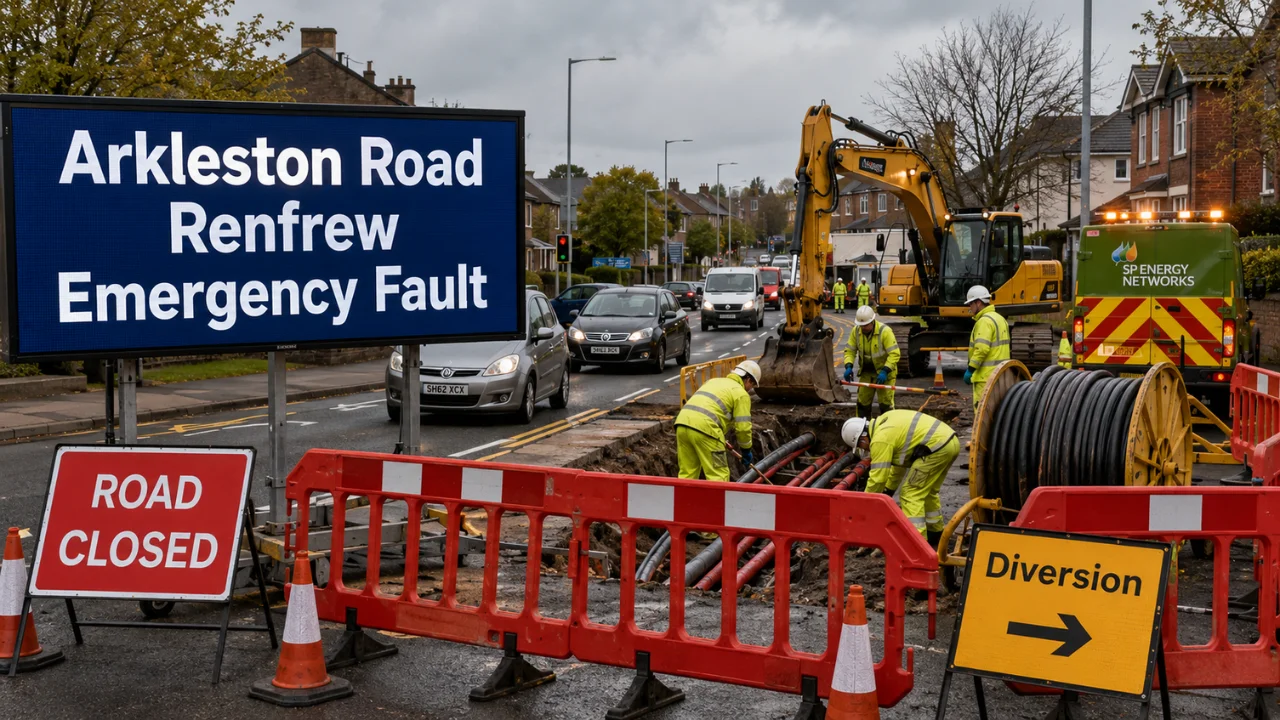
Because the damaged cable was located beneath Arkleston Road, excavation work was required, making a temporary road closure unavoidable.
Where Is Arkleston Road in Renfrew?
Arkleston Road is one of the main routes connecting Renfrew with Paisley and surrounding areas. It also provides convenient access to the M8 motorway, making it an important road for daily commuters, commercial vehicles, and visitors travelling to Glasgow Airport.
The road is used throughout the day by residents, workers, delivery drivers, and public transport services. Any restrictions on this route can quickly increase congestion on neighbouring roads because many motorists rely on it for direct access between Renfrew and Paisley.
Its location makes it one of the area’s most important transport links, which explains why the emergency repairs attracted significant public attention.
Why Emergency Repairs Were Needed
The arkleston road renfrew emergency fault involved underground electrical infrastructure that required immediate attention from specialist engineers.
Unlike planned maintenance, emergency utility repairs cannot usually be postponed. A damaged high-voltage cable may increase the risk of power interruptions and can also create safety concerns if left unresolved.
Engineers first secured the work area before carefully excavating the affected section of the road. Once the damaged cable was exposed, repairs and replacement work could begin. After installation, the electrical system underwent safety testing to confirm that the network was operating correctly before the road could reopen.
This careful process helps reduce future risks while maintaining a dependable electricity supply for the surrounding community.
Which Section of the Road Was Closed?
To allow engineers to work safely, a section of Arkleston Road between the David Lloyd Health Club and nearby residential properties was temporarily closed.
Traffic management measures were introduced immediately after the emergency fault was confirmed. Barriers, warning signs, and diversion routes helped keep vehicles away from the excavation site while repair work continued.
Although closures of busy roads often create frustration, restricting access was necessary to protect both road users and engineering teams working around underground electrical equipment.
Traffic Diversions During the Closure
Alternative Routes for Drivers
During the emergency repairs, motorists travelling between Renfrew and Paisley were redirected through alternative routes, including Renfrew Road and Gallowhill Road.
These diversion routes experienced noticeably heavier traffic, particularly during morning and evening commuting hours.
Increased Journey Times
Drivers travelling towards Glasgow Airport, local businesses, and nearby residential areas often needed additional time to complete their journeys.
Public transport services operating in the area also experienced delays while buses adjusted to temporary traffic management arrangements.
Planning journeys in advance and following official diversion signs helped many motorists avoid unnecessary delays.
Connection With the Earlier M8 Bridge Incident
The emergency cable fault occurred only weeks after another major disruption involving Arkleston Road.
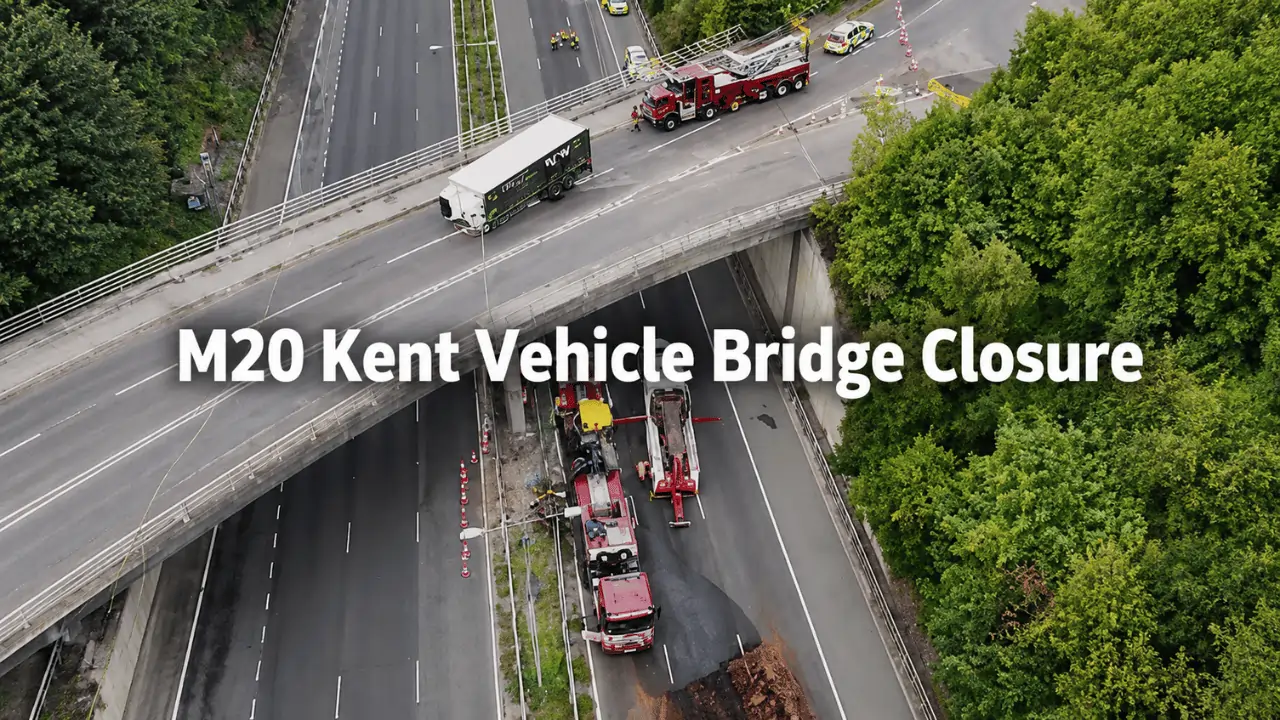
Earlier in the year, a heavy goods vehicle struck the bridge carrying Arkleston Road over the M8 motorway. The impact damaged part of the bridge structure and resulted in immediate inspections by structural engineers.
To protect public safety, sections of the bridge and surrounding roads were temporarily closed while engineers assessed the damage.
Once inspections confirmed that limited access could safely resume, one lane reopened with temporary traffic lights controlling vehicle movement until longer-term repair work could be completed.
Although the bridge strike and the electrical fault were unrelated incidents, they both affected the same important transport route, resulting in repeated disruption for local drivers.
How the Emergency Fault Affected the Local Community
The arkleston road renfrew emergency fault affected far more than daily commuters.
Residents living close to the closure experienced increased traffic on surrounding residential streets as motorists followed diversion routes. Businesses near the affected section also faced reduced customer access during the repair period.
People travelling to sports facilities, healthcare appointments, local services, and Arkleston Cemetery needed to allow additional travel time or choose different routes.
Despite these temporary challenges, emergency services continued to receive priority access whenever required.
Why High-Voltage Cable Repairs Require Road Closures
Safety Comes First
High-voltage electricity systems require strict safety procedures before repair work can begin. Engineers must isolate damaged equipment and confirm that it is safe to excavate around underground cables.
Underground Infrastructure Is Complex
Electricity cables are often installed alongside water, gas, and telecommunications services. Excavation work must therefore be carried out carefully to avoid damaging nearby infrastructure.
Testing Before Reopening
Once repairs are complete, engineers perform inspections and electrical testing before restoring normal service. Only after these checks are finished can the road surface be reinstated and traffic safely return.
Current Status of Arkleston Road
Following completion of the emergency works, Arkleston Road reopened to normal traffic after engineers restored the damaged electrical infrastructure.
Drivers can continue using the route as usual, although future maintenance or improvement projects may occasionally require temporary traffic management to ensure public safety.
The incident demonstrated the importance of responding quickly to infrastructure faults before they develop into larger problems affecting electricity supplies or public safety.
What Drivers Can Learn From This Incident
Unexpected infrastructure failures can happen without warning, even on major roads that carry thousands of vehicles every day.
Checking traffic updates before travelling, particularly during periods of roadworks or severe weather, can help motorists avoid delays. Allowing extra travel time and following signed diversion routes also reduces congestion and helps emergency repairs proceed more efficiently.
The arkleston road renfrew emergency fault serves as a reminder that maintaining underground utilities is just as important as maintaining roads and bridges. Prompt repairs protect homes, businesses, and transport networks while reducing the likelihood of larger disruptions in the future.
Conclusion
The arkleston road renfrew emergency fault was an essential infrastructure repair that required immediate action to restore a damaged high-voltage electricity cable beneath one of Renfrew’s busiest roads. Although the closure temporarily disrupted traffic between Renfrew and Paisley, the work helped ensure the continued safety and reliability of the local electricity network.
Combined with the earlier bridge incident on the same route, the emergency repairs highlighted the importance of Arkleston Road to commuters, businesses, and local residents. While temporary road closures can be inconvenient, they are sometimes the only practical solution when critical infrastructure requires urgent attention.
Frequently Asked Questions
1. What was the arkleston road renfrew emergency fault?
The arkleston road renfrew emergency fault was an urgent high-voltage underground electricity cable failure that required immediate repair work and a temporary road closure.
2. Why was Arkleston Road closed?
The road was closed so engineers could safely excavate the damaged area, repair the faulty electrical cable, and restore the underground power network.
3. Which roads were used as diversion routes?
Traffic was redirected mainly through Renfrew Road and Gallowhill Road while repairs were underway.
4. Was the emergency fault connected to the M8 bridge damage?
No. The bridge strike and the electrical cable fault were separate incidents, although both affected Arkleston Road within a short period.
5. Is Arkleston Road open now?
Following the completion of the emergency repair work, Arkleston Road reopened to normal traffic after safety inspections and restoration of the underground electrical infrastructure were completed.
Read More: Žižole: What They Are, Health Benefits, Nutrition and How to Eat Them