








Introduction
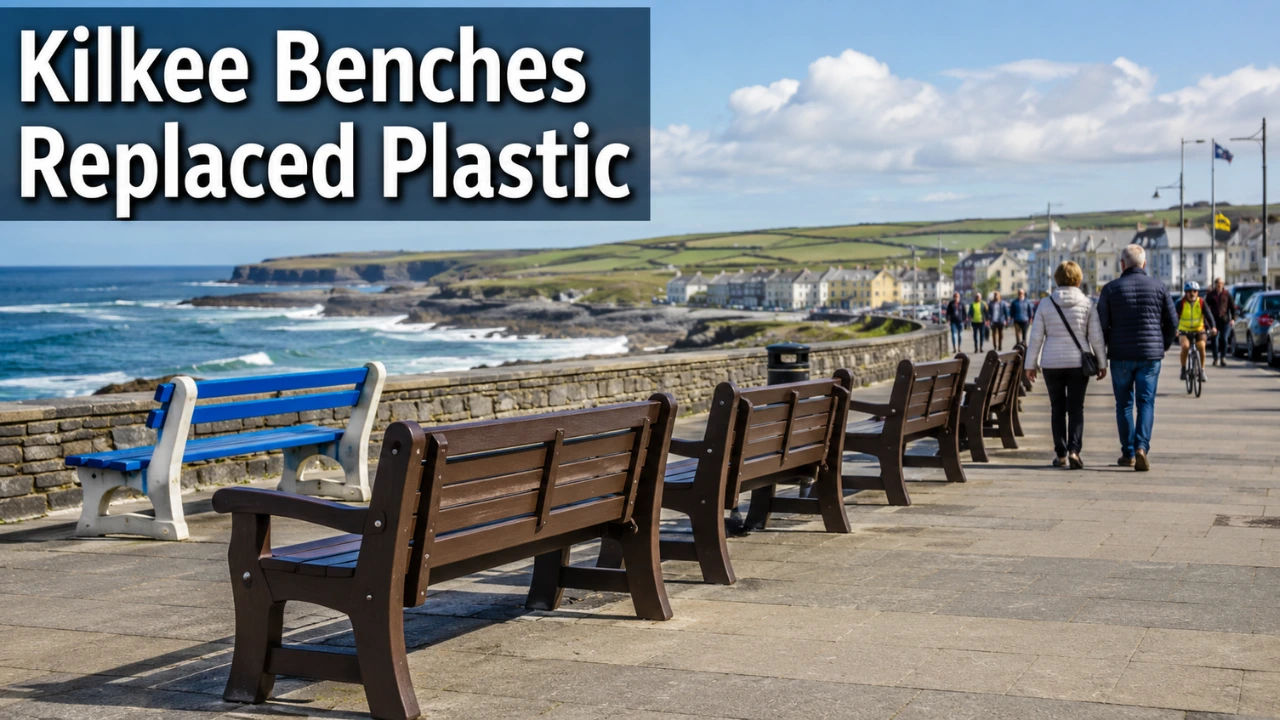
The recent decision surrounding kilkee benches replaced plastic became one of the most talked-about local developments in Kilkee, County Clare. For many years, the town’s blue-and-white wooden benches were a familiar sight along the famous promenade, offering visitors a place to relax while enjoying panoramic views of the Atlantic Ocean. Their replacement with recycled plastic benches sparked conversations among residents, visitors, and local officials about preserving heritage while improving public infrastructure.
Although the new benches were introduced to provide a longer-lasting solution for a coastal environment, many people felt the traditional seating represented an important part of Kilkee’s identity. The discussion quickly grew beyond the benches themselves and became a wider conversation about balancing sustainability with local character.
Where Is Kilkee and Why Is It So Popular?
Kilkee is a well-known seaside town in County Clare on Ireland’s west coast. Situated along the Wild Atlantic Way, it attracts visitors throughout the year because of its horseshoe-shaped beach, scenic cliffs, Victorian architecture, and beautiful promenade.
The promenade has long been one of Kilkee’s most visited locations. People gather there for morning walks, evening strolls, family outings, and spectacular ocean views. Over time, even the public benches became part of the town’s recognizable landscape, appearing in countless holiday photographs and creating lasting memories for both residents and tourists.
The History Behind Kilkee’s Famous Wooden Benches
Before kilkee benches replaced plastic became a widely discussed topic, the promenade was known for its traditional wooden benches painted in distinctive blue and white.
These benches blended naturally with the coastal setting and became closely associated with Kilkee’s seaside atmosphere. Their classic appearance complemented the Victorian charm of the promenade and gave visitors a welcoming place to pause and enjoy the scenery.
Many local families have memories connected to these benches. Whether watching the waves, meeting friends, or simply enjoying the fresh sea air, the seating became much more than public furniture. It gradually evolved into one of Kilkee’s recognizable landmarks.
Why Were the Benches Replaced?
The decision to replace the wooden benches was primarily based on practical considerations rather than appearance.
Coastal Weather Causes Faster Wear
Public seating located beside the Atlantic Ocean faces constant exposure to salt air, rain, moisture, and strong winds. Over time, these conditions affect wooden structures, causing deterioration that requires ongoing maintenance and repairs.
Improving Public Safety
As benches age, damaged timber and worn components can create safety concerns for visitors. Regular inspections and repairs become necessary to keep the seating in good condition.
Replacing older benches helps reduce these risks while providing reliable seating for the growing number of people using the promenade each year.
Lower Long-Term Maintenance Costs
Maintaining wooden benches involves repainting, replacing damaged sections, sanding surfaces, and carrying out routine repairs.
Recycled plastic benches require significantly less maintenance, making them a more cost-effective solution over the long term.
Why Recycled Plastic Was Selected
The change behind kilkee benches replaced plastic was also influenced by the advantages of recycled plastic materials.
Better Resistance to Coastal Conditions
Unlike timber, recycled plastic does not rot when exposed to moisture. It also performs well in salty coastal environments where wooden furniture naturally deteriorates faster.
Longer Lifespan
Recycled plastic benches are designed to remain durable for many years. Their resistance to weather reduces the need for frequent replacements.
Environmentally Friendly Choice
Many recycled plastic benches are manufactured using recycled waste materials. This helps reduce landfill waste while supporting environmentally responsible public projects.
Reduced Maintenance
Without the need for frequent repainting or extensive repairs, councils can spend fewer resources maintaining public seating while ensuring visitors continue to have safe and comfortable places to rest.
Community Response to the New Benches
One reason kilkee benches replaced plastic received widespread attention was the strong reaction from the local community.
Many residents expressed disappointment after seeing the traditional blue-and-white benches removed. They believed the original seating reflected Kilkee’s history and contributed to the town’s unique identity.
Some people also felt the new brown benches changed the appearance of the promenade and no longer matched the classic seaside atmosphere that visitors had come to appreciate over many decades.
Others believed greater community consultation before making the change could have helped identify a solution that balanced durability with preserving the town’s traditional appearance.
Why Some Residents Supported the Decision
While many preferred the original benches, others welcomed the replacement.
Supporters pointed out that public infrastructure should remain practical, safe, and capable of handling daily use throughout the year.
They believed the recycled plastic benches would remain in better condition for longer periods, require fewer repairs, and reduce maintenance expenses for the local authority.
Many also appreciated the environmental benefits of using recycled materials in public spaces.
Heritage and Sustainability Both Matter
The discussion surrounding kilkee benches replaced plastic highlights an issue faced by many historic towns.
Communities naturally want to preserve the features that make their towns distinctive. At the same time, councils must consider budgets, safety standards, durability, and environmental responsibility when upgrading public facilities.
Neither perspective is unreasonable.
Residents who preferred the traditional benches wanted to protect an important part of Kilkee’s character.
Supporters of the replacement focused on creating infrastructure that would last longer and require fewer public resources to maintain.
Finding the right balance between these priorities remains an ongoing challenge for many coastal communities.
Could There Have Been Another Approach?
Several alternative ideas were suggested during community discussions.
Restore Existing Benches
Where possible, restoring structurally sound wooden benches may have preserved the promenade’s traditional appearance.
Match the Original Design
Some residents suggested manufacturing recycled plastic benches that closely resembled the original blue-and-white style.
Replace Only Damaged Benches
Instead of replacing every bench, only those beyond repair could have been upgraded first while preserving the remaining historic seating.
Increase Community Consultation
Public consultation before major visual changes may have helped build greater community support and encouraged ideas that balanced appearance with durability.
What Other Coastal Towns Can Learn
The story offers valuable lessons for other coastal communities planning infrastructure improvements.
Small details such as benches often become meaningful landmarks over time. While practical improvements are important, preserving local identity can also strengthen tourism and community pride.
Projects that combine durable materials with traditional designs may provide a solution that satisfies both maintenance needs and heritage preservation.
The discussion surrounding kilkee benches replaced plastic demonstrates that even simple public improvements can generate meaningful conversations about history, sustainability, and the future of shared public spaces.
Final Thoughts
The replacement of Kilkee’s traditional promenade benches became much more than a routine maintenance project. It highlighted how closely communities connect with familiar landmarks and how public infrastructure can influence the identity of a town.
The original wooden benches represented decades of local history and memorable seaside experiences. The new recycled plastic benches offer practical advantages, including improved durability, lower maintenance requirements, and greater resistance to coastal weather.
As towns continue modernizing public spaces, the experience in Kilkee shows the importance of balancing heritage, environmental responsibility, and the long-term needs of residents and visitors alike.
Frequently Asked Questions
1. Why were the Kilkee benches replaced?
The wooden benches had deteriorated after years of exposure to harsh coastal weather. Recycled plastic benches were chosen because they are more durable and require less maintenance.
2. Why did the replacement receive so much attention?
Many residents considered the original blue-and-white benches an important part of Kilkee’s identity and felt they contributed to the promenade’s historic character.
3. What are the advantages of recycled plastic benches?
They resist moisture, salt air, and rot, last longer than traditional wood, require less maintenance, and are often made from recycled materials.
4. Did everyone support the new benches?
No. While some welcomed the practical and environmental benefits, others preferred preserving the traditional appearance of the promenade.
5. What can other towns learn from Kilkee’s experience?
The discussion shows that infrastructure upgrades should consider both long-term durability and the cultural importance of preserving local heritage.
Read More: Çeviit: Meaning, Origin, Applications, and Everything You Need to Know